Before letting anyone aim a high-pressure hose at your home, it's fair to ask: is pressure washing safe? The short answer is yes, but only when the right method is matched to the right surface.
Pressure washing is perfectly safe and effective on hard surfaces like concrete driveways and sidewalks. On more delicate surfaces, though, like vinyl siding, roof shingles, and painted wood, high pressure can cause real damage. That's where a gentler approach called soft washing comes in. The danger isn't pressure washing itself, it's using too much pressure on the wrong material, or letting an inexperienced hand near your home. Done correctly by someone who truly understands surfaces, your home gets clean without cracks, leaks, or stripped paint, and the results actually last. In this guide, we'll explain the difference between pressure washing and soft washing, which surfaces need which method, and how professionals keep your home safe throughout the job.
Pressure Washing vs Soft Washing
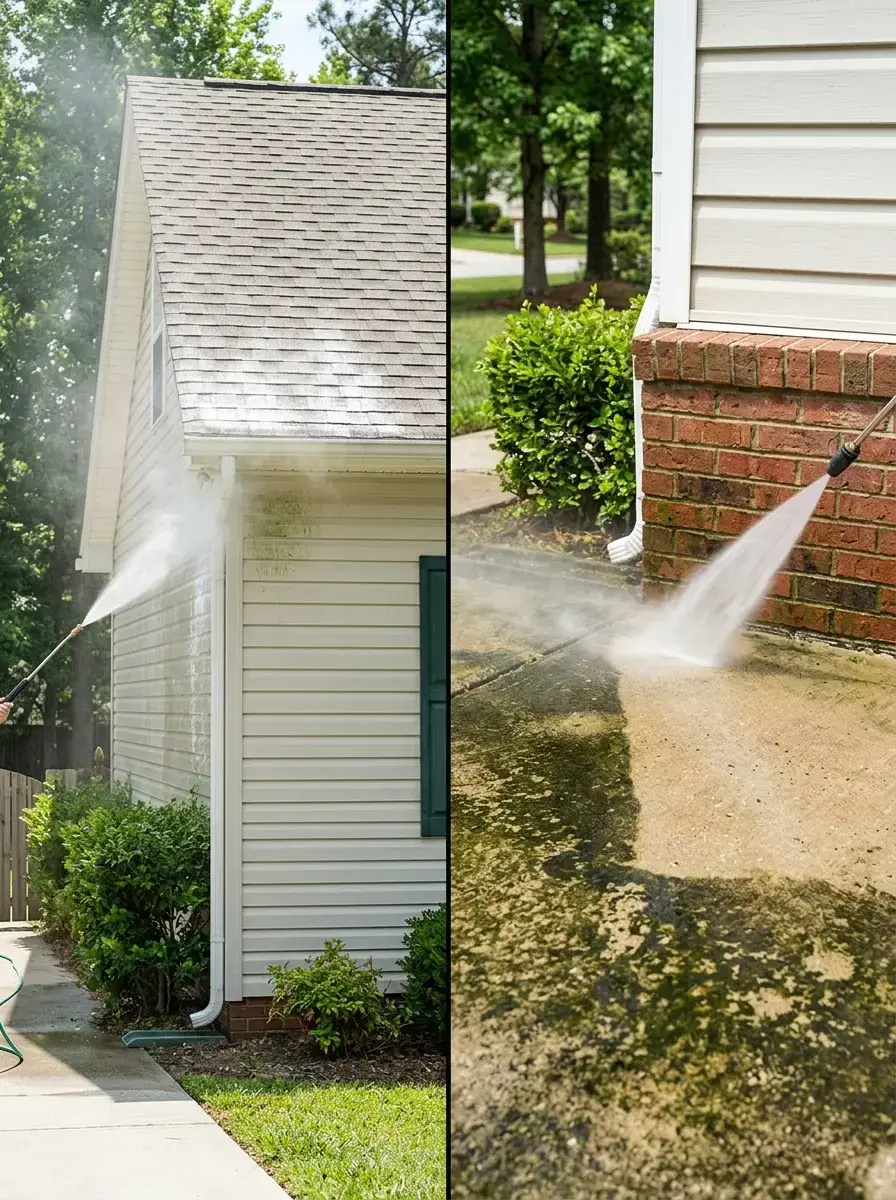
These two methods are often confused, but they're built for different jobs. Pressure washing uses a high-pressure stream of water to blast away dirt, stains, and buildup. It's powerful and ideal for tough, hard surfaces like concrete and brick. Soft washing, on the other hand, uses low pressure combined with specialized cleaning solutions. Instead of relying on force, it relies on the cleaning agents to break down mold, mildew, and algae, then rinses everything away gently. Soft washing is the safe choice for anything that high pressure could damage: vinyl siding, stucco, roof shingles, and painted surfaces. A good cleaning company doesn't use one method for everything. They assess each surface and choose the right pressure and solution, which is the key to getting your home clean without causing harm.
Which Surfaces Need Low Pressure
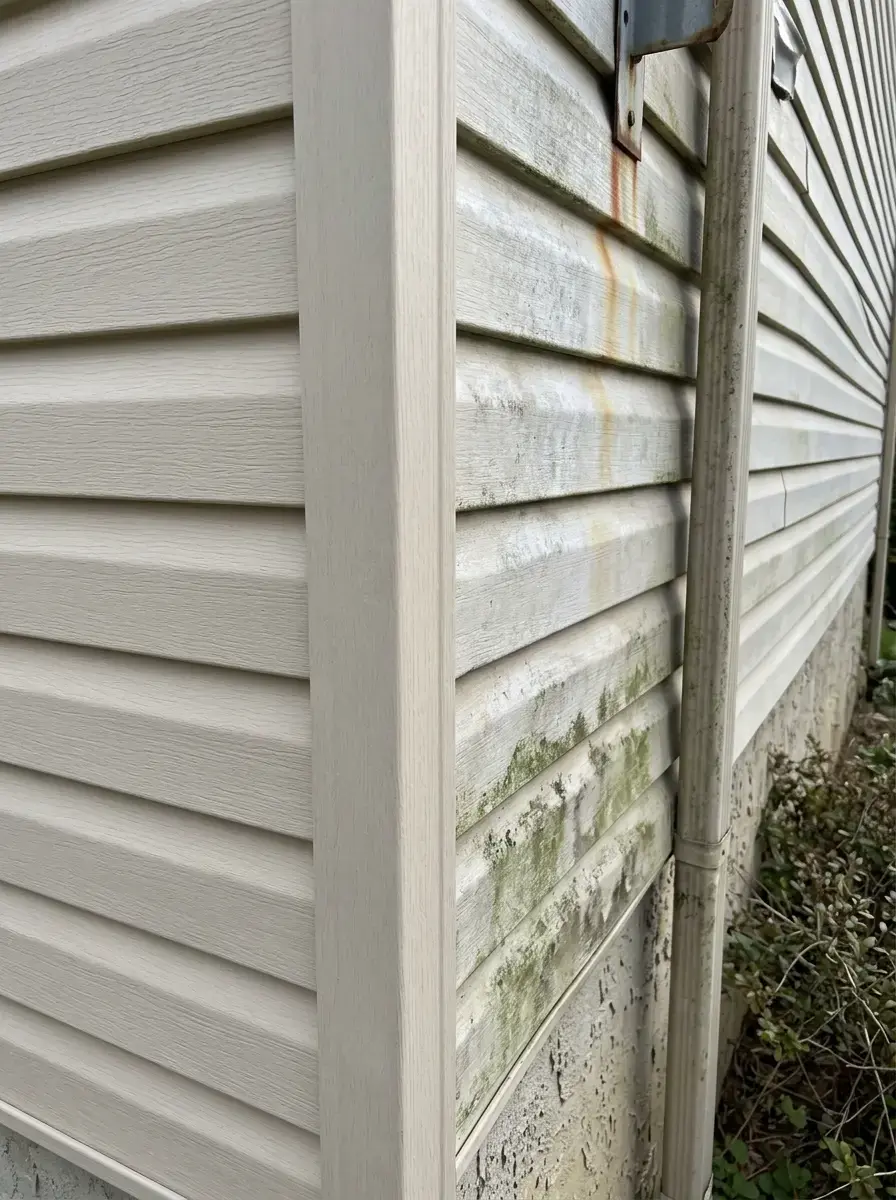
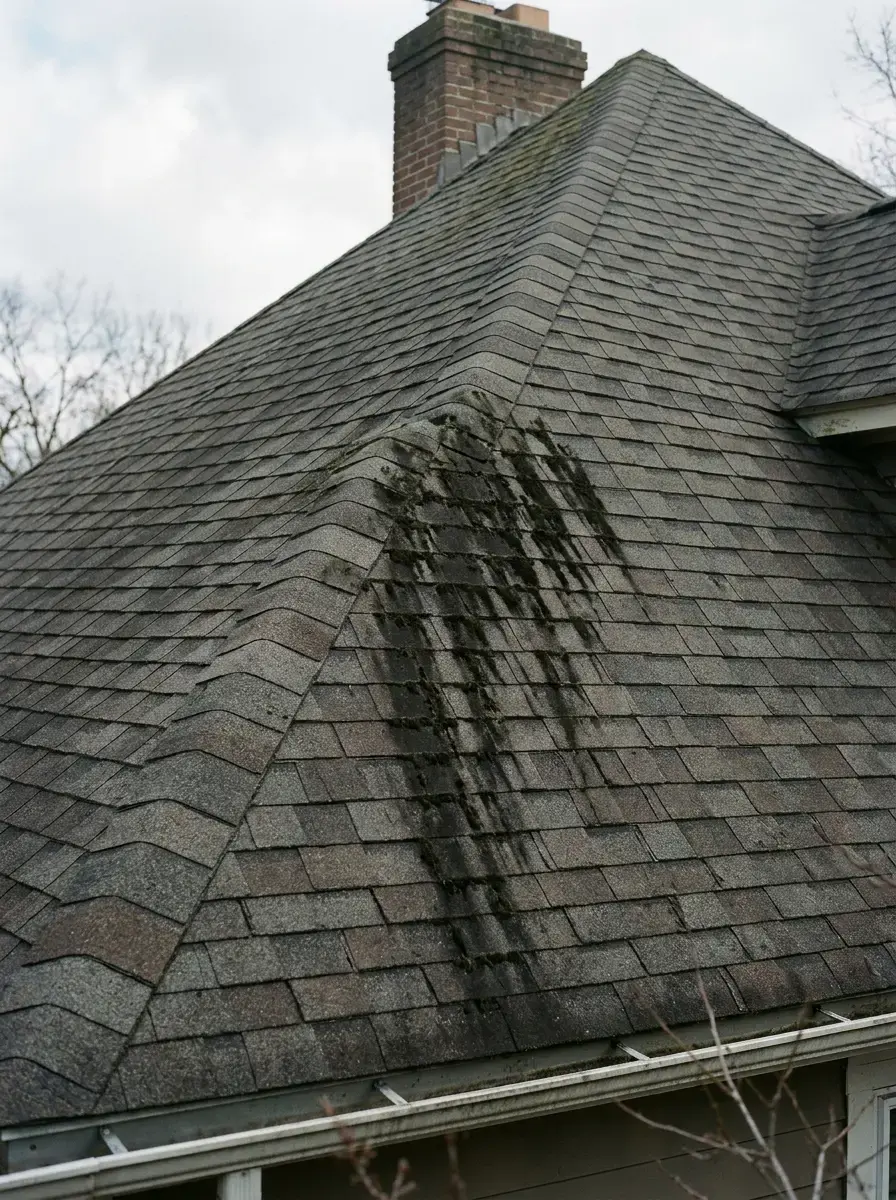
Knowing which surfaces need a gentle touch is what separates a safe job from a damaging one. Vinyl and aluminum siding can crack, dent, or warp under high pressure, so they're best cleaned with a soft wash. Roof shingles should never be pressure washed, since the force strips protective granules and can cause leaks. Painted wood, stucco, and older masonry are also delicate and can be gouged or stripped. Windows, screens, and trim need a careful approach too. On the other hand, concrete driveways, sidewalks, patios, and brick can usually handle higher pressure just fine. The rule of thumb is simple: hard, durable surfaces can take pressure, while anything softer, painted, or up high should get a gentle soft wash instead. Matching the method to the material protects your home.
Common Pressure Washing Mistakes That Cause Damage
Most pressure washing damage comes down to a few avoidable mistakes. The biggest is using too much pressure on a delicate surface, like blasting vinyl siding or shingles. Another is holding the nozzle too close, which concentrates the force and can gouge or etch the surface. Spraying upward under siding can force water behind it, leading to trapped moisture and mold. Using the wrong tip or angle can strip paint and damage trim. Skipping cleaning solutions and relying on pure force means mold and algae come right back, since the organism isn't actually killed. And working on ladders or roofs without proper safety puts both the home and the person at risk. These mistakes are common with rented machines and inexperienced users, which is exactly why surface knowledge matters so much.
— Free Estimate
The Right Method for Every Surface
Get a free estimate from AG Premium. We assess each surface and match the safest, most effective method — no damage, lasting results.
A professional crew protects your home by matching the method to each surface. They start by assessing what they're cleaning, then choose the right pressure and cleaning solution for that material. Delicate surfaces get a gentle soft wash, while durable ones like concrete get the higher pressure they can handle. Professionals also know how to protect the things around your home, covering plants, controlling runoff, and avoiding spray that could force water where it shouldn't go. They have the equipment and training to work safely at height, so nobody's balancing on a ladder with a pressure wand. Being licensed and insured matters too, since it means your property is protected if anything goes wrong. The result is a home that gets genuinely clean, with no cracks, leaks, or stripped paint to deal with afterward.
High pressure can crack or warp vinyl. That's why we use a low-pressure soft wash on siding, which removes mold and grime safely without damage.
No, and you shouldn't. High pressure strips shingle granules and can cause leaks. Roofs need a gentle soft wash, which most manufacturers recommend.
Hard, durable surfaces like concrete driveways, sidewalks, patios, and brick usually handle higher pressure well. Softer or painted surfaces need a gentler approach.
It can, if too much pressure is used on painted surfaces. We adjust the method to protect paint while still getting the surface clean.
Professionals know which method each surface needs, have safety equipment for height, and are insured. That protects your home from the damage rentals often cause.
Want your home cleaned the right way? AG Premium matches the safe method to every surface, so your home gets spotless without any damage. Serving all of New Jersey and select New York cities.