Soft Washing vs Pressure Washing: Which Does Your Home Need?
July 20266 min readNew Jersey & New York
If you've been researching exterior cleaning, you've probably run into two terms that sound similar but aren't: soft washing vs pressure washing. Understanding the difference is the key to getting your home clean without accidentally damaging it.
Both methods remove dirt, mold, and grime, but they do it in very different ways and on very different surfaces. Pressure washing relies on raw force, blasting away buildup with a high-pressure stream. Soft washing relies on low pressure plus cleaning solutions that break down the growth and rinse it away gently. Using the wrong one can crack your siding, strip your shingles, or leave stains that come right back. Using the right one gets your home genuinely clean and keeps it that way for much longer. In this guide, we'll explain what each method actually is, which surfaces need which, and why choosing correctly saves you money and headaches down the road.
What Is Pressure Washing?
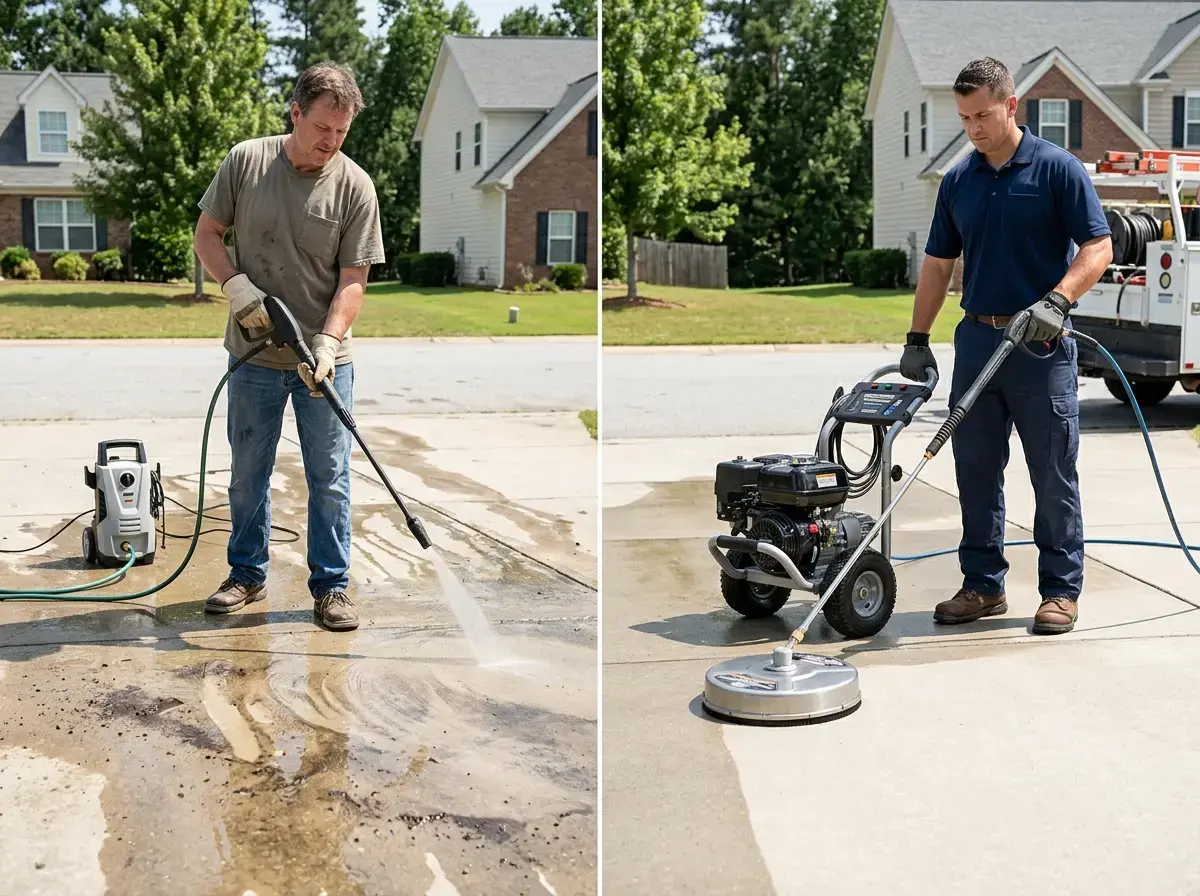
Pressure washing uses a high-pressure stream of water to physically blast dirt, stains, and buildup off a surface. It's powerful, fast, and ideal for tough, durable materials that can take the force. Think concrete driveways, sidewalks, patios, brick, and other hard surfaces. The high pressure is great at lifting oil stains, ground-in grime, and slippery buildup that a garden hose could never touch. On the right surface, it delivers an impressive, deep clean. The catch is that all that force can easily damage softer materials. Used on vinyl siding, shingles, or painted wood, the same pressure that cleans concrete so well can crack, gouge, or strip the surface. So pressure washing is a fantastic tool, but only when it's pointed at the right kind of surface.
What Is Soft Washing?
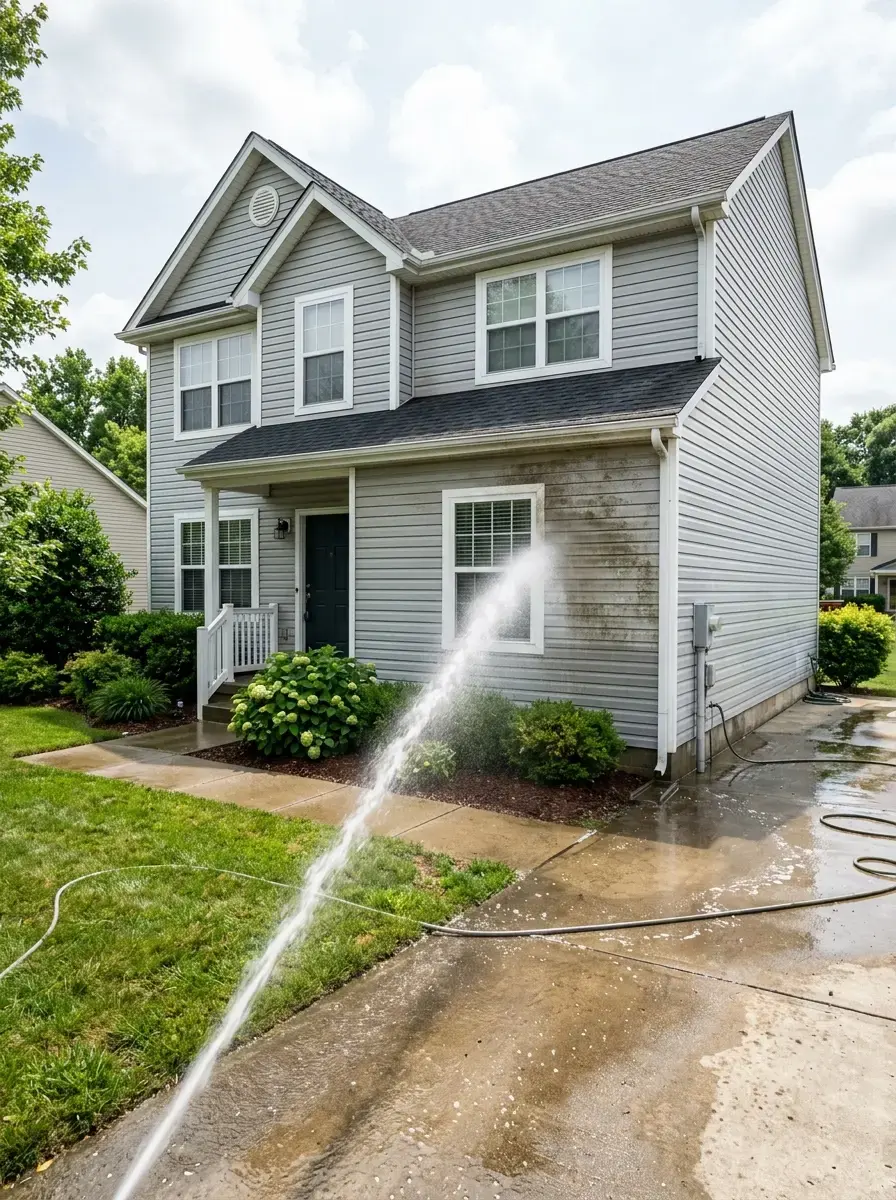
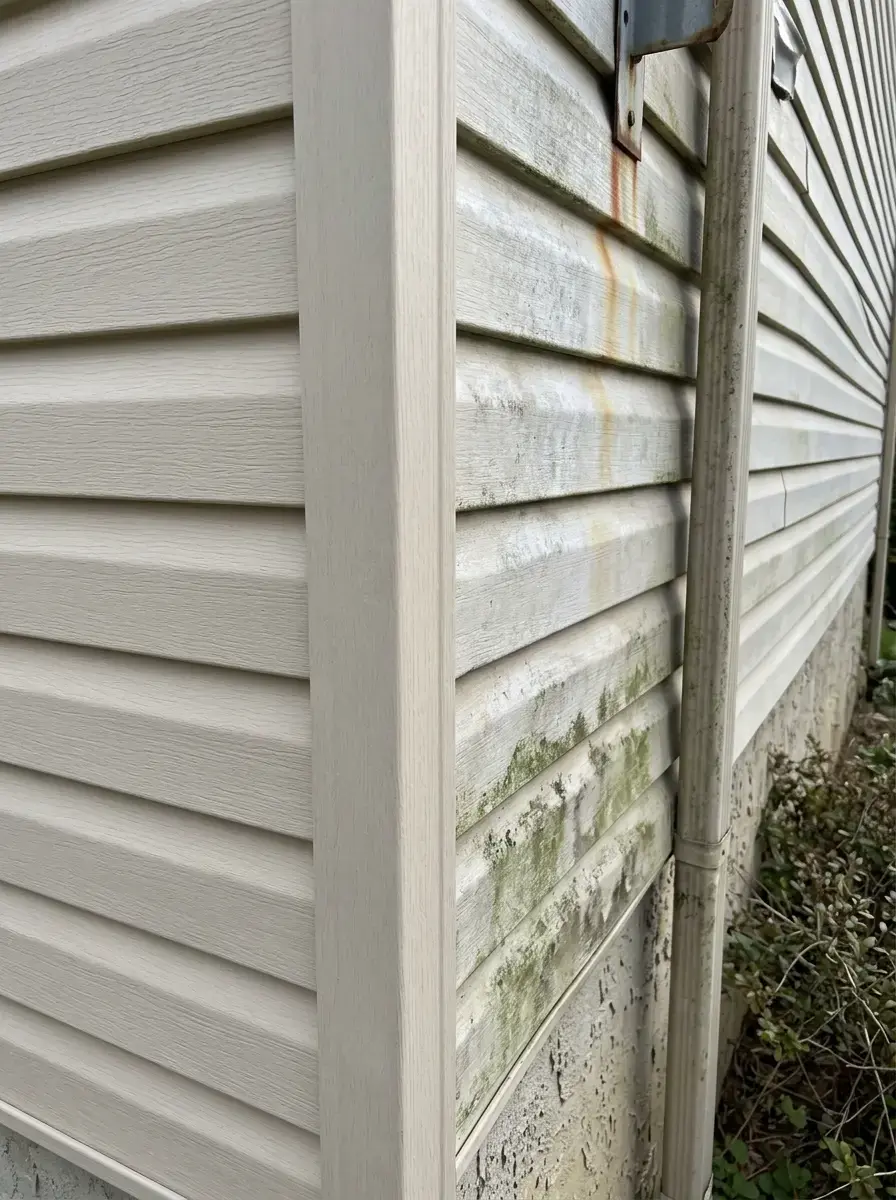
Soft washing takes the opposite approach. Instead of relying on force, it uses low pressure combined with specialized cleaning solutions. Those solutions do the real work, breaking down and killing mold, mildew, and algae at the root, while the gentle rinse carries everything away. Because there's no harsh pressure involved, soft washing is safe for delicate surfaces that high pressure would damage. That includes vinyl and aluminum siding, stucco, painted wood, and roof shingles. Soft washing also tends to keep surfaces cleaner for longer, since it kills the organism rather than just rinsing the surface. It's the method of choice for the parts of your home that are both delicate and prone to organic growth. For most siding and roof cleaning, soft washing is the safe, effective answer.
Which Surfaces Need Which Method
Matching the method to the surface is what it all comes down to. Hard, durable surfaces can handle pressure washing: concrete driveways, sidewalks, patios, steps, and most brick and stone. These benefit from the extra force to lift oil, gum, and ground-in grime. Delicate and elevated surfaces need soft washing instead: vinyl and aluminum siding, stucco, painted wood, and especially roof shingles. Windows, screens, and trim also call for a gentle touch. A whole- home cleaning often uses both methods, soft washing the siding and roof while pressure washing the driveway and walkways. The important thing is that one method isn't better than the other, they're tools for different jobs. A good cleaning company assesses each surface and uses the right approach, which is exactly how you avoid damage while getting everything clean.
— Free Estimate
One Home, Two Methods — Done Right
Get a free estimate from AG Premium. We combine soft washing and pressure washing across your property to clean every surface the right way.
Choosing the wrong method can get expensive fast. Pressure washing a roof can strip the protective granules and cause leaks, leading to repairs or even an early roof replacement. Blasting vinyl siding can crack or warp it, and forcing water underneath can trap moisture and grow mold inside the wall. Stripping paint off wood trim means repainting. On the flip side, using a gentle soft wash on a stained concrete driveway often won't have enough power to lift the toughest oil and grime. Beyond the damage, using the wrong method usually means the results don't last, so you're paying to clean the same surface again sooner. Getting it right the first time protects your home and your wallet. That's the real value of knowing, or hiring someone who knows, which method each surface needs.
Neither is better overall, they're for different surfaces. Soft washing suits delicate surfaces like siding and roofs, while pressure washing suits hard surfaces like concrete.
Soft washing may not have enough power to lift heavy oil and ground-in grime from concrete. Driveways usually clean up best with pressure washing.
Yes. Soft washing is the recommended method for roofs. It removes moss, algae, and streaks without the damage high pressure causes to shingles.
Often, yes. Many homes get soft washing on the siding and roof and pressure washing on the driveway and walkways, all in one visit.
It can. High pressure may crack or warp vinyl siding. That's why siding should be soft washed, not pressure washed.
Not sure which method your home needs? AG Premium assesses every surface and uses the right approach, so your whole home gets clean safely. Serving all of New Jersey and select New York cities.