Why Is My Siding Covered in Green and Black Stains?
July 20266 min readNew Jersey & New York
If your home's siding has started to look dull, streaked, or spotted with green and black patches, you're not alone. This is one of the most common problems homeowners deal with in New Jersey and New York, where humid summers and shaded yards create the perfect conditions for growth.
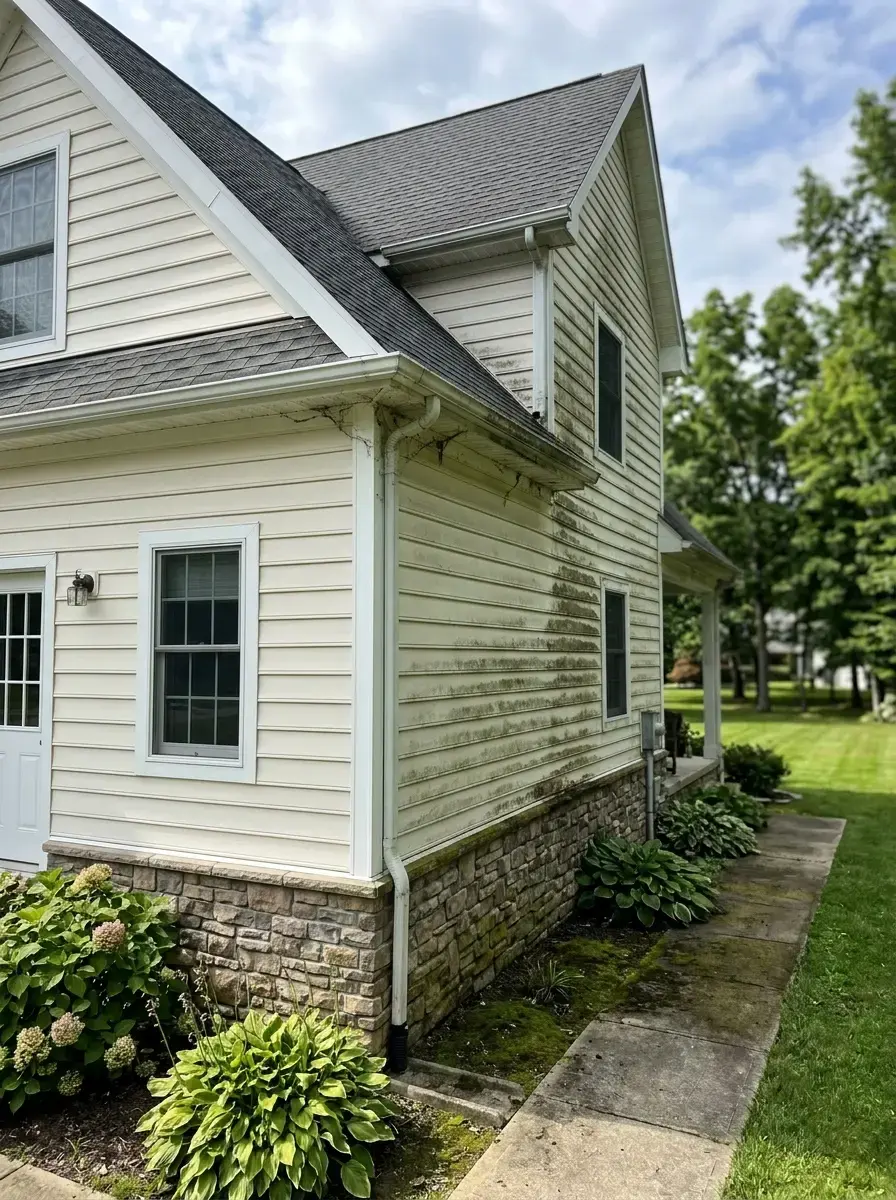
Knowing how to remove mold from house siding starts with understanding what those stains actually are. In most cases, the green comes from algae, and the black from mildew or a hardy organism that feeds on moisture and organic buildup. Left alone, these stains spread, darken, and slowly work their way into the surface of your siding. The good news is that they're very treatable. With the right cleaning method, your siding can look bright and clean again without damage. In this guide, we'll explain what causes these stains, why they matter, and the safest way to get rid of them for good.
What Causes Green and Black Stains on Siding?
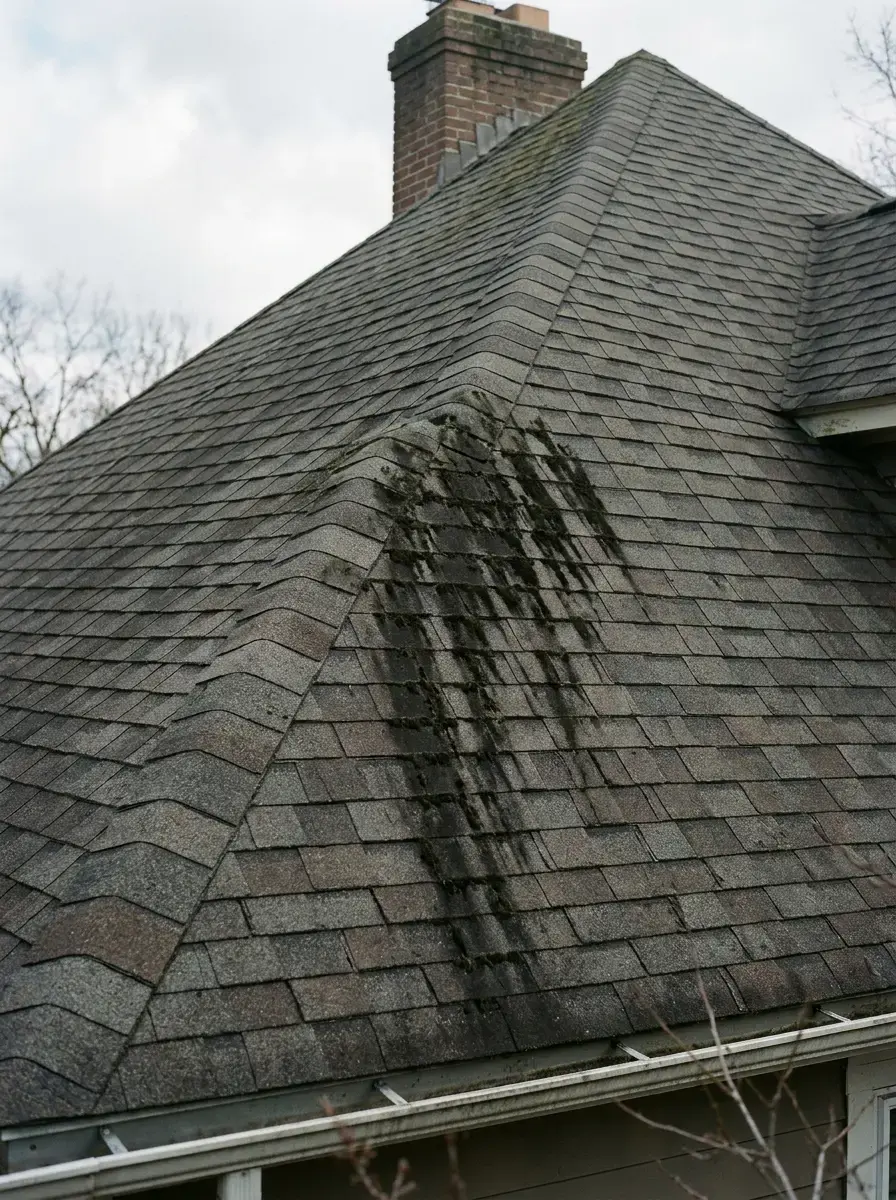
Those green and black stains are almost always living organisms. The green tint usually comes from algae, which thrives on moisture, pollen, and the organic film that settles on your siding. The darker black or gray streaks are typically mildew or mold, which take hold in shaded, damp areas that don't dry out quickly. North-facing walls, spots under trees, and areas near downspouts are the usual hot spots. In New Jersey and New York, the combination of humid summers, frequent rain, and cool, shaded yards gives these organisms everything they need to spread. Once they get a foothold, they multiply fast, especially on textured vinyl, stucco, and painted surfaces that hold moisture. What starts as a few faint streaks can cover an entire wall within a season or two if it's left untreated.
Why You Shouldn't Ignore Mold and Mildew
Beyond looking unsightly, mold and mildew on siding can cause real problems. As these organisms grow, they trap moisture against your home, which can lead to staining, discoloration, and even early breakdown of the surface. On wood siding, that trapped moisture can contribute to rot. On vinyl and stucco, it can leave permanent marks if the growth is left long enough. There's also a health angle: mold spores near windows, doors, and entryways can make their way indoors, which matters if anyone in your home has allergies or asthma. Curb appeal takes a hit too. A home with streaked, stained siding looks neglected, which is a problem if you're planning to sell. Cleaning your siding regularly protects both the appearance and the long-term condition of your home.
Can You Remove Siding Stains Yourself?
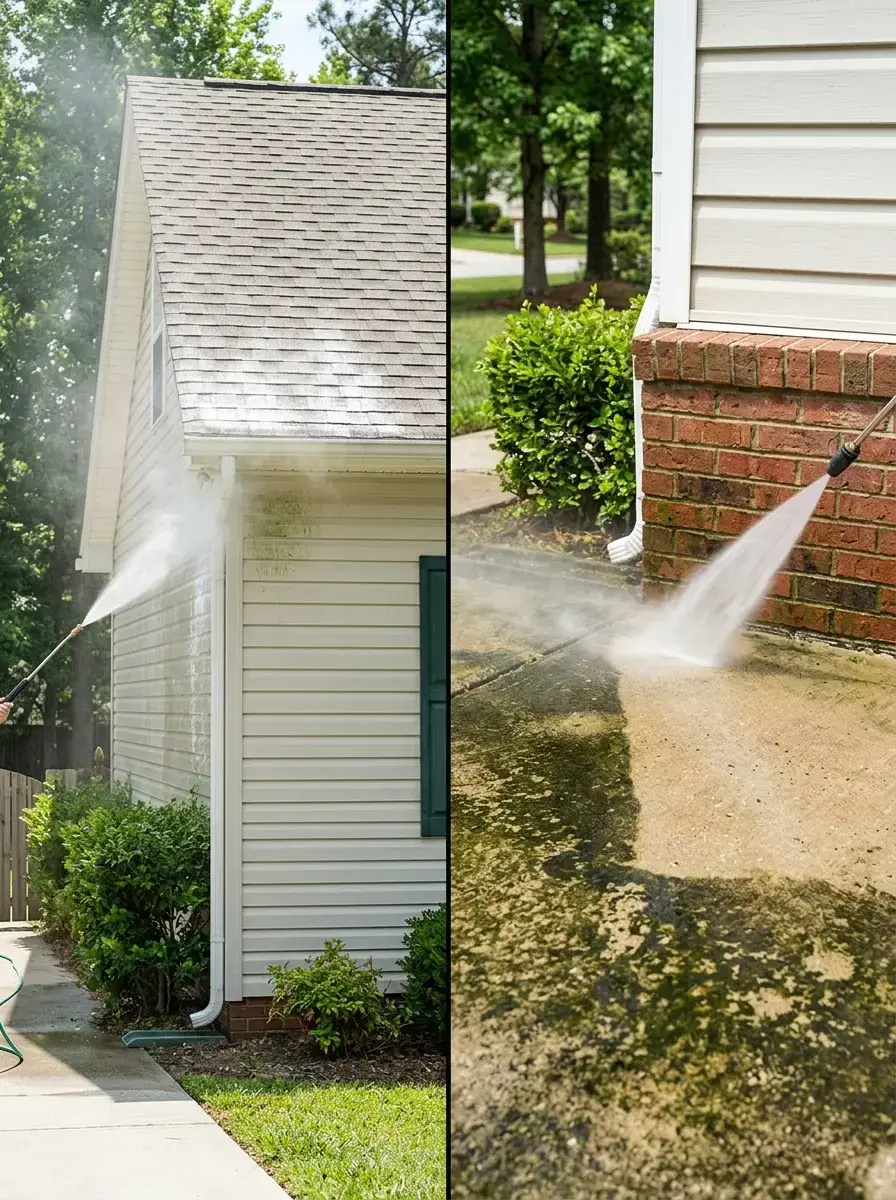
It's tempting to grab a pressure washer and blast the stains away, but that approach often does more harm than good. High pressure can crack or gouge vinyl, force water behind your siding, and strip paint. Bleach-based cleaners from the store can lighten stains temporarily, but they rarely kill the organism at the root, so the growth comes right back, often within weeks. DIY cleaning also means climbing ladders and working with chemicals on tall, slick walls, which is a real safety risk. For light, low areas, a soft brush and a gentle cleaning solution can help. But for widespread staining, hard-to-reach walls, or growth that keeps returning, professional cleaning is usually the safer and more effective choice. The goal is to remove the stains without damaging the very surface you're trying to protect.
— Free Estimate
See What Professional Soft Washing Can Do for Your Home
Book a free, no-obligation inspection with AG Premium and see how safe, effective soft washing removes stains and protects your siding.
How Professional Soft Washing Removes Siding Stains Safely
Professional soft washing is designed exactly for this problem. Instead of relying on high pressure, soft washing uses low pressure combined with specialized cleaning solutions that kill mold, mildew, and algae at the root. That means the stains don't just disappear for a few weeks, they stay gone far longer. The low-pressure approach is gentle enough for vinyl, wood, stucco, and painted surfaces, so your siding gets clean without cracks, gouges, or stripped paint. A professional crew also handles the ladders, the height, and the runoff safely, protecting your landscaping in the process. At AG Premium, we match the cleaning method to your specific siding, so the result is a bright, even, genuinely clean exterior. For most homes in New Jersey and New York, a yearly soft wash keeps siding looking its best.
Store-bought bleach can lighten stains but often kills nearby plants and rarely removes mold at the root. Professional solutions are balanced to clean your siding safely while protecting your landscaping.
Most homes do well with a yearly house washing. Homes in shaded or wooded areas may need it more often, since mold and algae build up faster in damp spots.
If the organism isn't killed at the root, yes. Soft washing removes it more completely, so stains stay gone much longer than a quick rinse or a store-bought cleaner.
High pressure can crack or warp vinyl. That's why we use a low-pressure soft wash with cleaning solutions, which removes stains safely without damaging the surface.
Yes. Shaded, north-facing walls grow the most algae and mildew. Our soft wash treatment is especially effective on these damp, slow-drying areas.
Tired of looking at stained, streaky siding? AG Premium will safely remove the mold, mildew, and algae and bring your home's exterior back to life. Serving all of New Jersey and select New York cities.